Panel 1
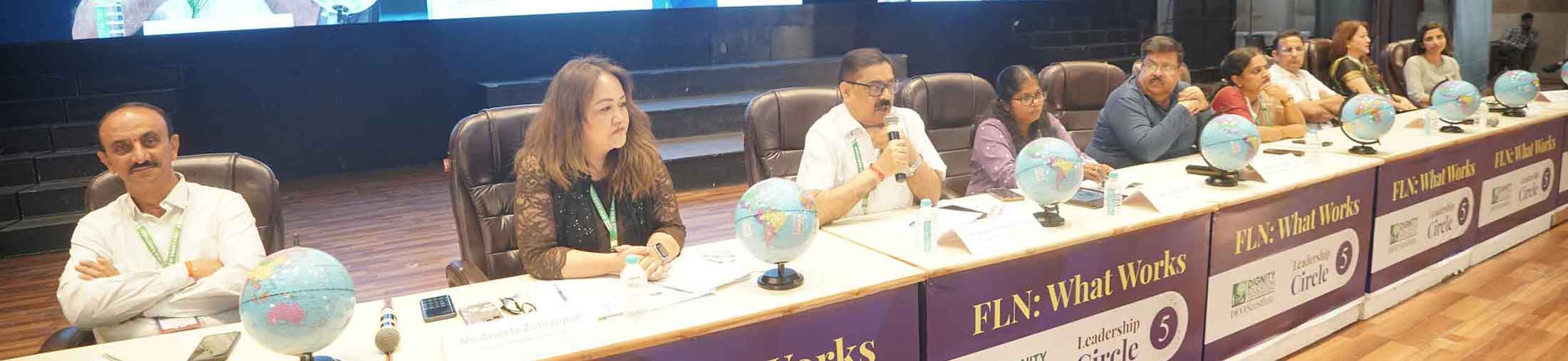
Policy, Implementation & Accountability in School Education
Strengthening FLN
Moderator: Dr. Madhukar Gupta, IAS (Retd.), Director of Partnerships, DEVI Sansthan
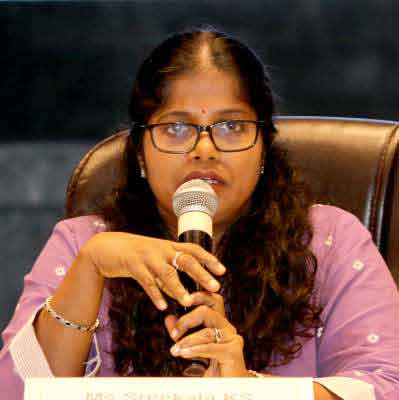
Ms Sreekala KS
ASPD

Kerala has been strengthening FLN through programmes like Malayalam Tilakam and Kunjuvayyana, sustained by parental involvement and state funding.

Ms Angela Zothanpuii
Director Education

Mizoram was declared India's first fully literate state on 20 May 2025, having contextualised all national FLN materials into Mizo.
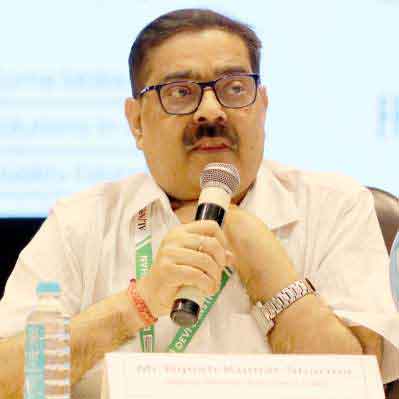
Mr Bijesh Kumar Sharma
Deputy Director Education

Delhi is implementing NIPUNlekhan, Numeracy Walls, and NIPUNshala, with a target of all schools becoming certified by year-end.
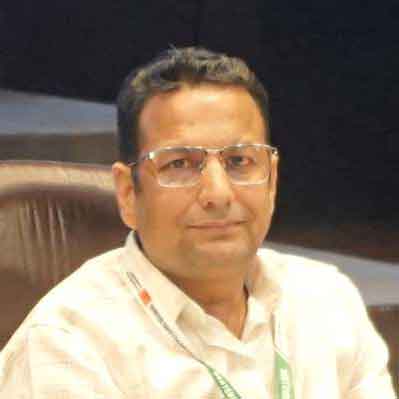
Dr Shankar Kumar
Asst Director SCERT
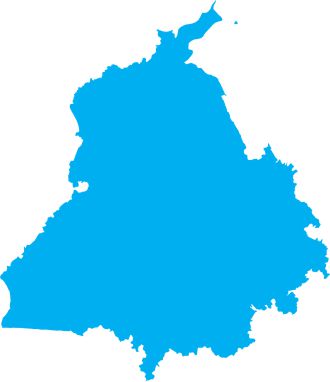
Punjab has held top national rankings since introducing pre-primary education across all government schools, years before Nipun Bharat.
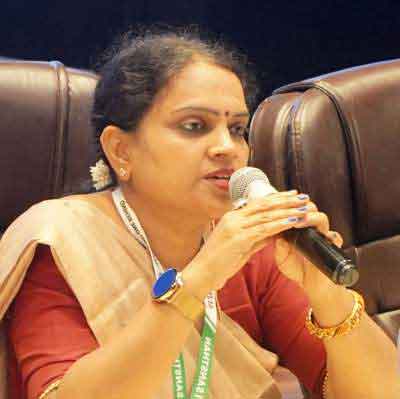
Dr R. N. Shashikala & Chandrashekhar B
Senior Program Officers, Samagra Shiksha
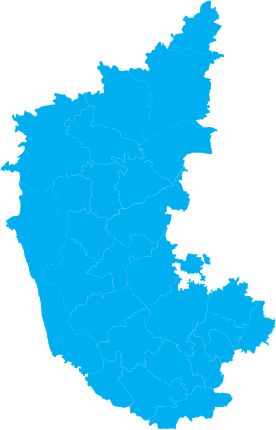
Karnataka Teacher recruitment is crucial, Karnataka is taking a strong approach.
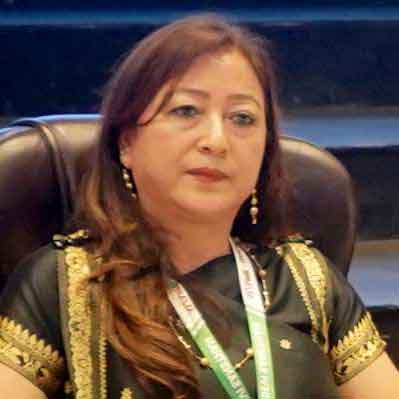
Ms Sandra M Nongsiej
Nodal Officer FLN

Meghalaya advocated making teacher accountability visible through community. A memorable quote: 'teach less, to learn more'.
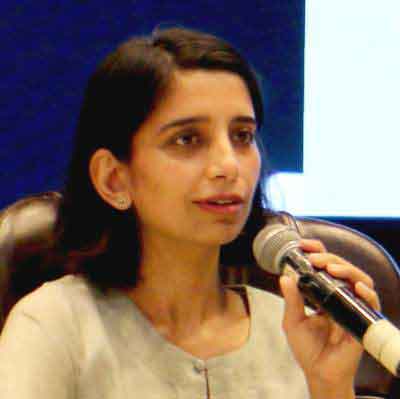
Dr Taneya Singh
Consultant Gr 1 School Education, Niti Aayog

Dr Taneya highlighted that FLN has shifted India's education conversation from access to learning quality.
Partnerships, Priorities & Proof of Impact
Role of CSR in Strengthening FLN
Moderator: Mr. Nixon Joseph, Group Executive, DEVI Sansthan
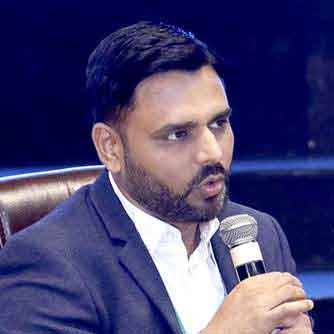
Anil Parmar
Senior VP, United Way Mumbai

FLN should be treated as a mainstream education priority, not a supplementary intervention. CSR investment must track long-term returns, including whether children gain basic literacy, numeracy, livelihood readiness, and eventually better employment outcomes.
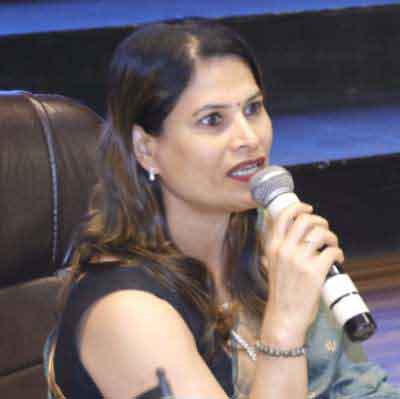
Savita Mundhe
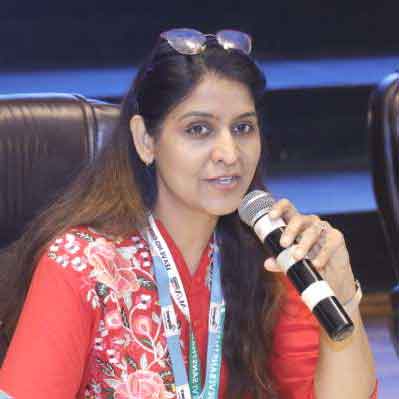
Head CSR, JSW Foundation
FLN is the basic foundation for later learning and must begin early, especially through ECCE. A holistic and comprehensive approach can make children school-ready and reduce the need for heavier interventions in higher grades.
Preeti Munjal
Executive Director, IIMPACT Foundation

FLN must also reach mothers, because women's literacy directly supports girls' education. IIMPACT's mother literacy work with ALfA has helped thousands of mothers improve reading, writing, calculation, attendance, and mother-daughter learning relationships.

Natasha Das
Associate Director, Samhita–CGF

CSR can act as catalytic capital by supporting innovation, long-term partnerships, and public education systems. FLN should go beyond basic reading and numeracy to include financial literacy, employability, livelihood pathways, and ecosystem-level collaboration.
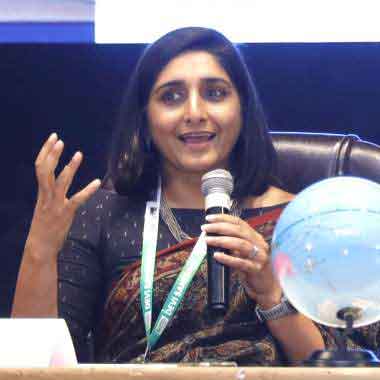
Sheena Gandhi
Asst Vice President, BSE Ltd
The Social Stock Exchange can democratize giving and improve trust. Even small contributors can support social projects, while impact reports and transparent tracking show where money goes and how outcomes are being created.
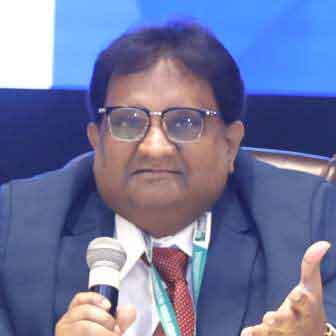
M.G. Prakash Reddy
Editor & CEO, Corporate Social Focus Magazine

CSR in education must move from infrastructure and activity-based reporting to measurable learning outcomes. FLN is not charity; it is a strategic investment in human capital, family mobility, employability, and India's long-term learning future.
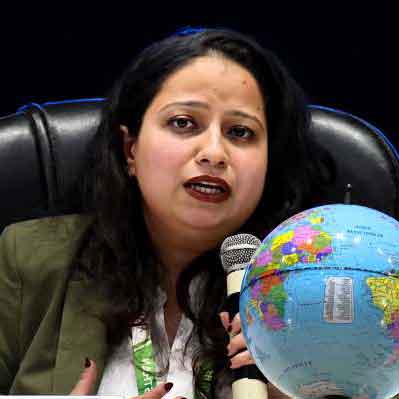
Rishika Uri
CS & CCO, SBI Factors Ltd

CSR is not only about funding; governance, compliance, reporting, and accountability matter equally. Strong monitoring ensures that funds are used correctly, impact is tracked, and foundational literacy builds both employability and personal agency.
Strategy, Scale & Sustainability
Mobilising CSR Towards FLN
Moderator: Major General Manoj Tiwari (Retd.), Director Outreach, DEVI Sansthan
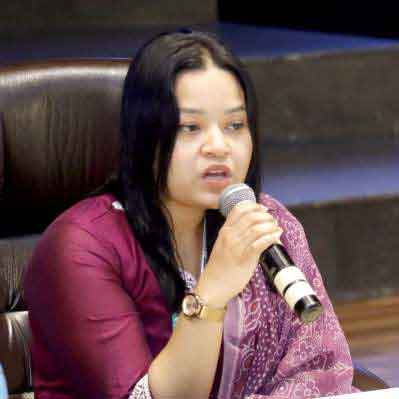
Anushka Bonia
CSR Lead, Johnson Matthey India

CSR acts as a bridge between NGOs and corporate management. Successful pilots, clear data, structured pedagogy, exit strategies, and flexible co-creation help make projects fundable, scalable, and acceptable to corporate decision-makers.
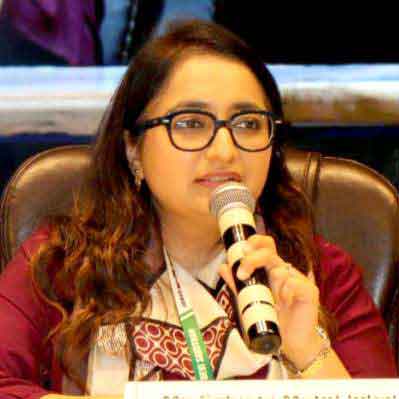
Sahista Mohd Iqbal
CSR Lead, GlaxoSmithKline

CSR-supported programmes must align with state priorities, use data, and work collaboratively rather than in isolation. Sustainability comes when systems can continue the work after CSR funding moves away from a district or project.
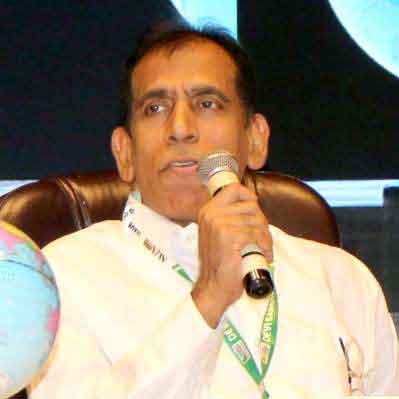
Dr Suresh Reddy
Director, SRF Foundation
Physical donations are easily accepted, but pedagogy, curriculum, and training face deeper resistance. Organisations must prove expertise, convince teachers, adapt to state contexts, keep dialogue open, and work with government systems for scale.
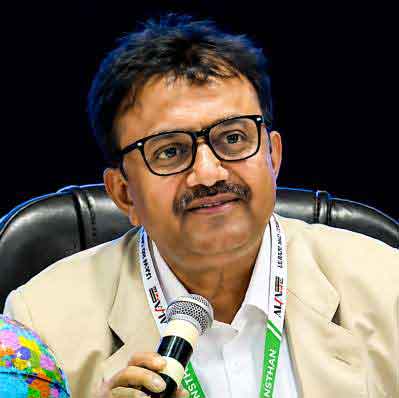
Sujeet Ranjan
CEO, United Way Delhi

Scaling ALfA beyond Uttar Pradesh requires local planning, alignment with NIPUN Bharat, outcome-based funding, technology integration, and multi-stakeholder partnerships. The same model cannot simply be copied everywhere without adapting to local challenges.
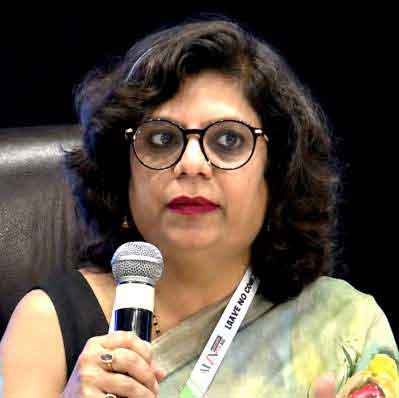
Anamika Srivastava
Founder & CEO, Development Consortium

FLN acceleration cannot happen through fragmented philanthropy. Government, CSR, and NGOs need one aligned system, long-term grants, trust in proven organisations, and embedded budgets for training and capacity building, not just short-term project funding.
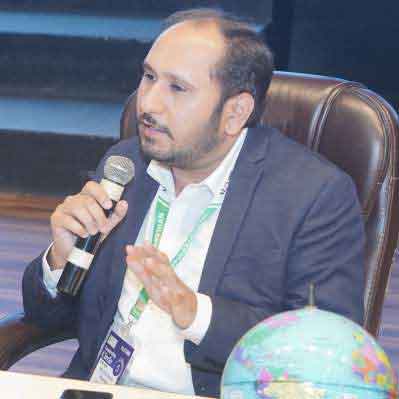
SM Tahir
Program Officer, CSR, CII Foundation

CII supports new technologies and ideas when they are impactful, sustainable, and scalable. CSR funding is available, but organisations need to approach the right companies with the right proposition, align with corporate priorities, and present their programmes clearly
Education vs. Other Development Priorities
The World's Best Investment
Moderator: Mr. Nixon Joseph, Group Executive, DEVI Sansthan
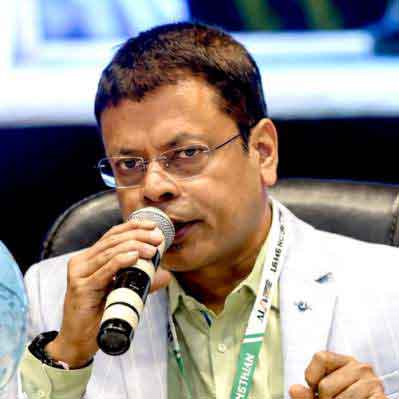
Sanjib Kumar Das
CEO, Bandhan Group

Education comes before health and finance because it helps people make better life decisions. Strong FLN creates multi-generational impact, improves community confidence, and gives CSR programmes a meaningful route to reach children at the last mile.
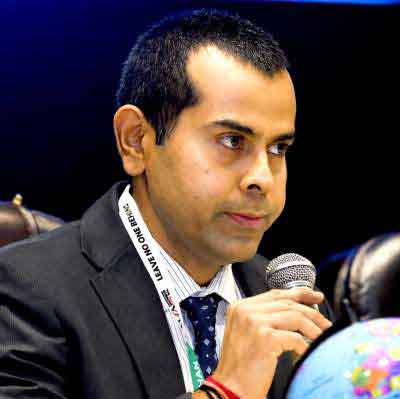
Anuruddha Kshtriya
General Manager for Investment Promotion, Invest UP

Education supports Uttar Pradesh’s growth vision. A trillion-dollar economy needs skilled, employable young people, and strong foundational learning builds that pipeline. Schooling connects with income, employment, SDGs, industrial readiness, and the state’s long-term development priorities.
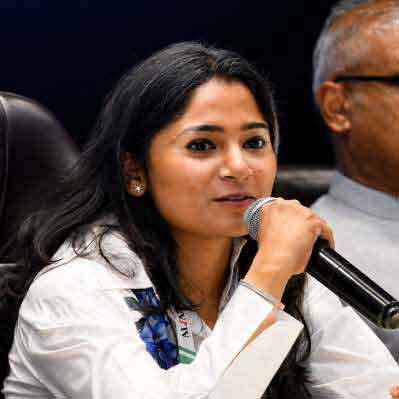
Sanchita Vaish
CSR Lead, Baker Hughes

India’s youth becomes a true demographic dividend only when education builds real capability. Every year of schooling raises income potential, while parent empowerment, AI-enabled support, and last-mile access can help children continue learning beyond classroom limitations.
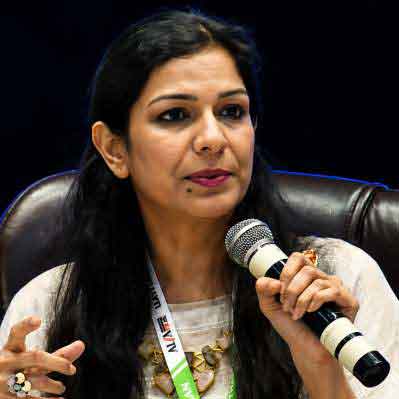
Gauri Bhure Roy
Head CSR, DXC Technology

Literacy and numeracy act as the load-bearing foundation for all development. Education improves health, gender outcomes, climate awareness, nutrition, employability, and social mobility, especially when rural schools receive sustained support and not just one-time intervention.
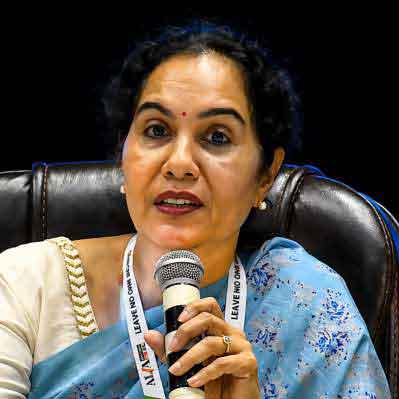
Rema Mohan
CEO, NSE Foundation
FLN must reach children with the fewest options, especially those in government and residential schools. Effective programmes need empathy, local language sensitivity, youth mentors, and flexible models, because every community and every child requires a slightly different pathway.
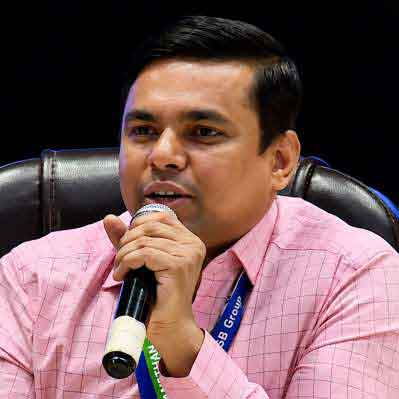
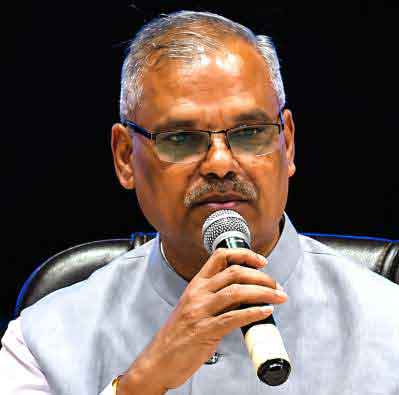
Sachikanta Tripathy
CSR Lead, Jharkhand and Odisha, RSB Foundation
Education works like the operating system behind all social sectors. CSR needs to move beyond visible infrastructure and invest deeply in teacher capacity, learning quality, foundational skills, and long-term education projects.
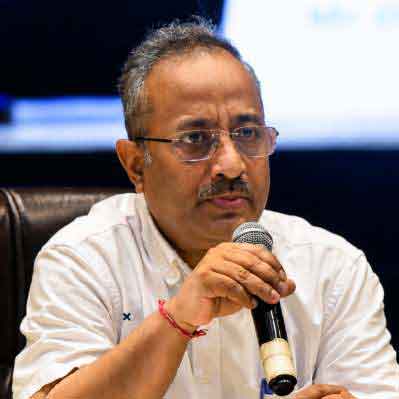
Rajasekhara Pandy
DGM CSR, Larsen & Toubro

One investment in education can transform generations. CSR support in STEM, infrastructure, early childhood learning, school facilities, and mobile learning vans strengthens government efforts and helps foundational learning become more practical, visible, and scalable.
How Government Systems Can Accelerate FLN Outcomes
Data to Delivery
Moderator: Dr. Sunita Gandhi, Founder-Director, DEVI Sansthan
Bhawani Rakhwal
SPD, Jammu & Kashmir

Jammu & Kashmir has introduced ALfA in four districts and aims to expand it across all twenty, using low-cost learning materials to strengthen classroom learning and improve NIPUN outcomes.
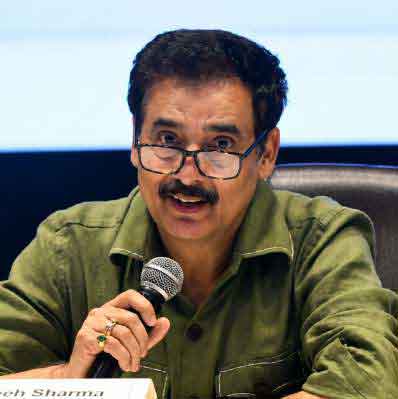
Rajesh Sharma
SPD, Himachal Pradesh

India's education system stands at a crucial point, with PARAKH, ASER, and state data showing FLN gaps. Himachal's progress comes through improved pedagogy, teacher capacity building & stronger middle-level leadership.
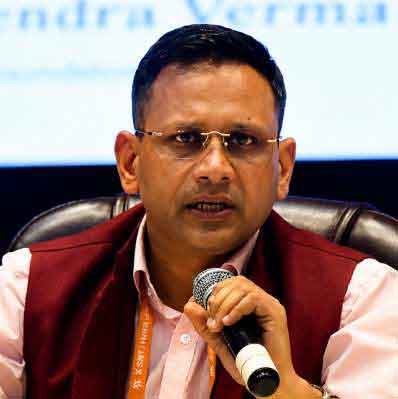
Lt. Col. Jitendra Verma
OSD Education, NITI Aayog
NIPUN is moving forward but needs stronger pace and sharper execution. State ownership, AI-enabled tools, dedicated classroom time and teacher motivation can help foundational learning goals move closer to full achievement.
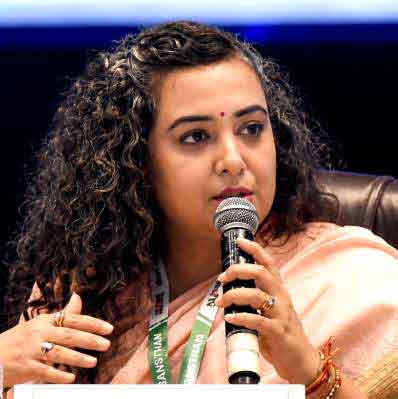
Shobha Kapoor
Head of Partnerships, Ministry of Education

Data becomes useful only when it creates real classroom action. Stronger block- and district-level ownership, AI awareness in schools, and caregiver involvement can make FLN implementation more grounded and responsive to children's needs.
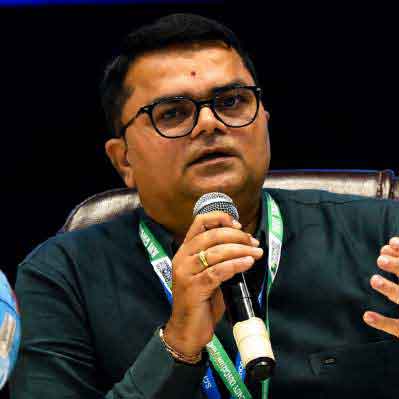
T. Balakrishna
NIPUN Nodal, Andhra Pradesh

Baseline and endline assessments, AI-supported tools, and remedial planning guide Andhra Pradesh's FLN work. School, mandal, and district-level data help identify learning gaps, plan targeted support, and track impact more systematically.
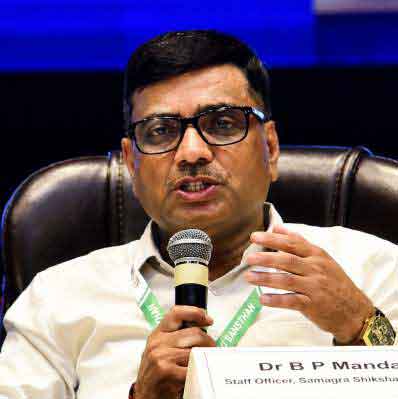
Dr B.P. Mandauli
Staff Officer, Samagra Shiksha, Uttarakhand

Data must lead to action for every child. Uttarakhand has vetted ALfA through SCERT and plans pilots in Udham Singh Nagar, Dehradun, and Haridwar, with scope for expansion across all thirteen districts.
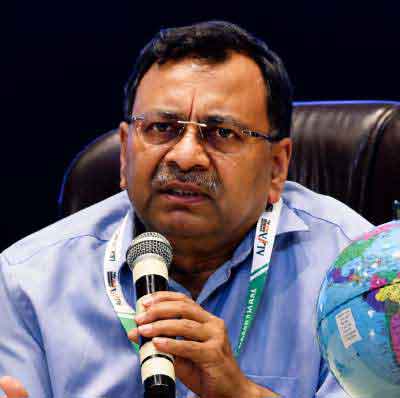
Vinod Jain
Founder-Director, Trust Community Livelihood
ALfA functions as a people's movement built on known-to-unknown learning and peer teaching. Child-to-child learning creates many young teachers inside one classroom and helps address dropout-related learning gaps more quickly.

Rabin Chhetri
Education Consultant

FLN forms the base on which all later reforms depend. Teachers naturally work as classroom researchers, and their innovations need documentation, funding and recognition so successful learning practices can spread.
Embedding FLN in Corporate Giving Strategies
Multiplying Impact: CSR Beyond Cheques
Moderator: Dr. Madhukar Gupta, IAS (Retd.), Director of Partnerships, DEVI Sansthan
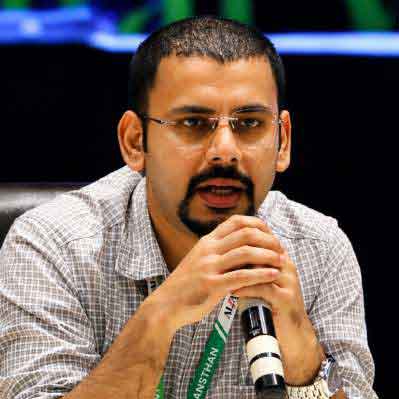
Mohd Asim Khan
Head CSR, Cadence

CSR proposals need clear long-term impact. Corporates can support FLN through teacher salaries, STEM learning, volunteers, school running costs, solar power, infrastructure, and measurable classroom outcomes.
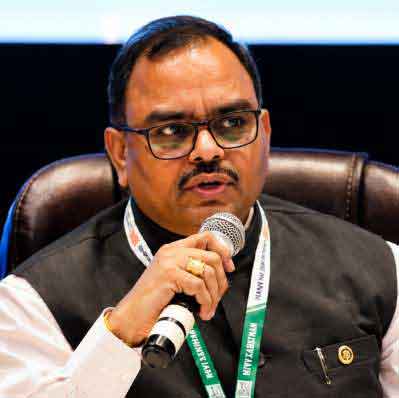
Dr. Murali Vallivetti
Chairman, GETA Service Trust

CSR for FLN can focus on dedicated funding, NEP 2020 awareness, teaching templates, TLM development, teacher training, credible assessment platforms, and teacher discussion forums in Indian languages.
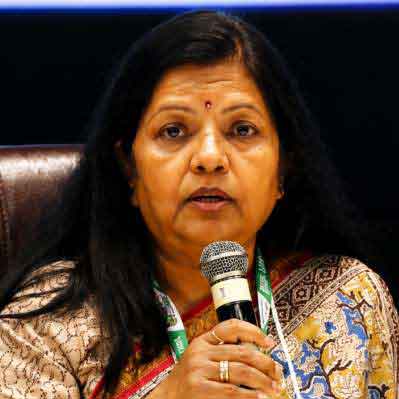
Dr. Archana Mittal
CSR Consultant

FLN is the foundation of everything and a load-bearing wall for Viksit Bharat. CSR must move beyond one-year charity and invest in teacher empowerment, research, monitoring, advocacy, and multi-year learning commitments.
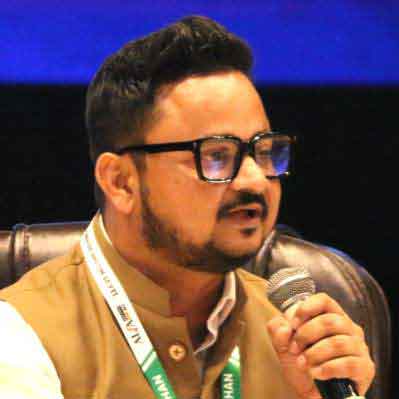
Salman U. Khan
Senior Program Director, Piramal Foundation
CSR needs to shift from short-term infrastructure to ecosystem building. FLN improves through assessment, teacher training, community engagement, technology, and long-term commitment.

Arvind Kumar
CSR Executive, NTPC
CSR has traditionally supported affected communities through school infrastructure, toilets, and facilities. The next step is accelerating NIPUN through activity-based peer learning, teacher labs, capacity building, and learning modules.
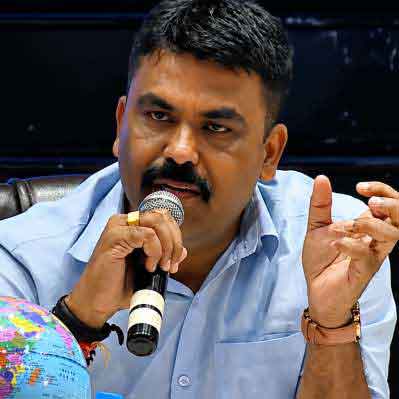
Krishna Kant Rai
Founder & Director, BBIC Foundation

CSR needs a partnership mindset, not a donor-recipient relationship. Corporates can bring mentorship, management systems, technology, and structured support. Education investment is more than charity; it is nation building.
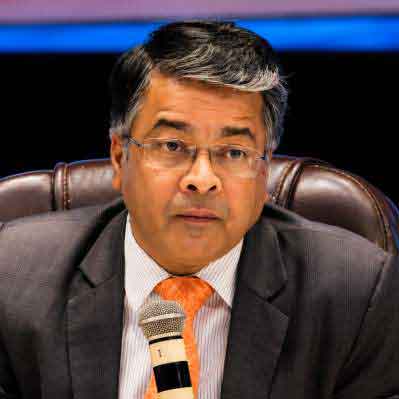
Harshit Mishra
Deputy Commissioner, Kendriya Vidyalaya Sangathan Jammu

ALfA's district-level impact needs deeper analysis to identify what works and where. Government focus on FLN now extends towards Grade 5, while CSR can strengthen pedagogy, outcomes, teacher training, and technology.