

Explore: Rigorous, small-scale research (RCT design) with a few schools implementing ALfA and others in the control group
Quality education and literacy for all · Registered in India & USA
Explore the Global Learning Lab approach and resources. Visit the event website for current dates and registration.
 bal LEARNING LAB
Boost Literacy in 45 Days through Rapid Results Initiative
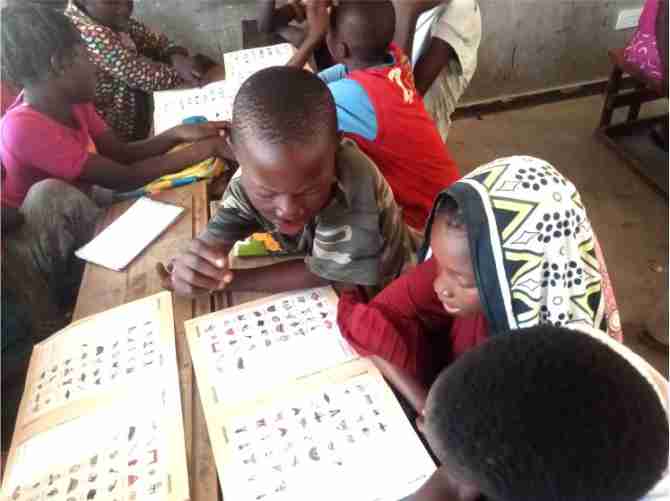
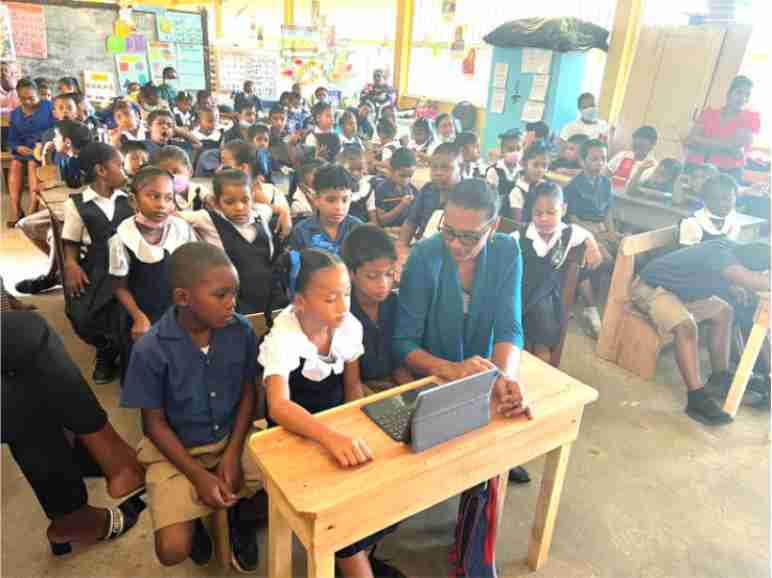
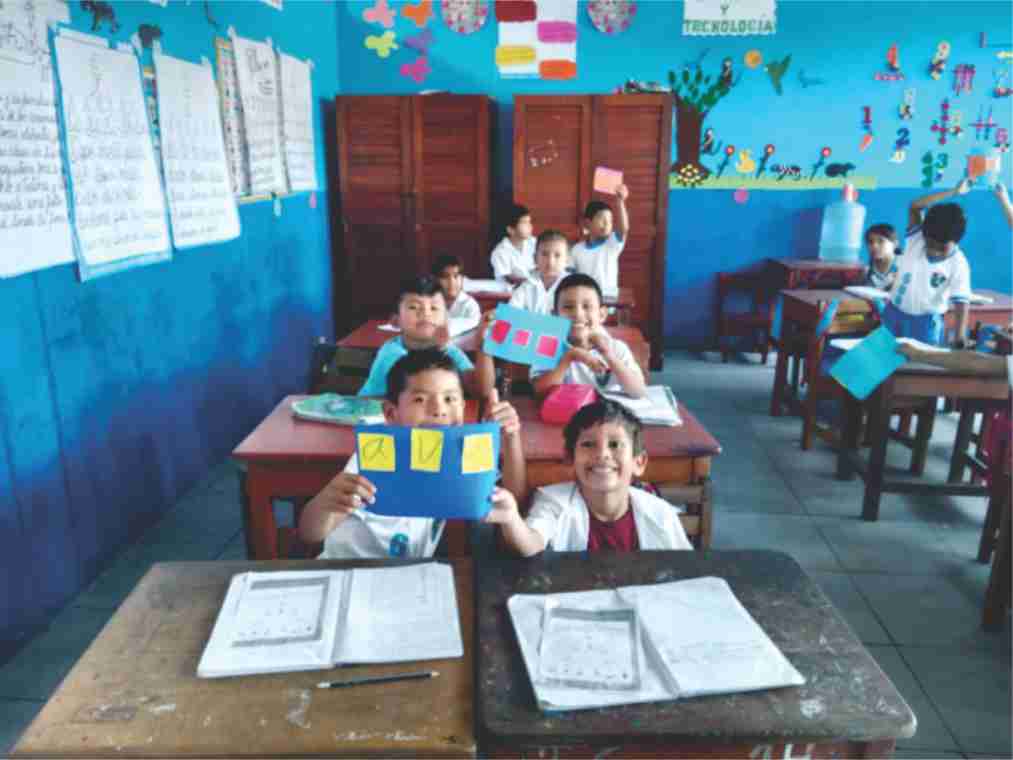
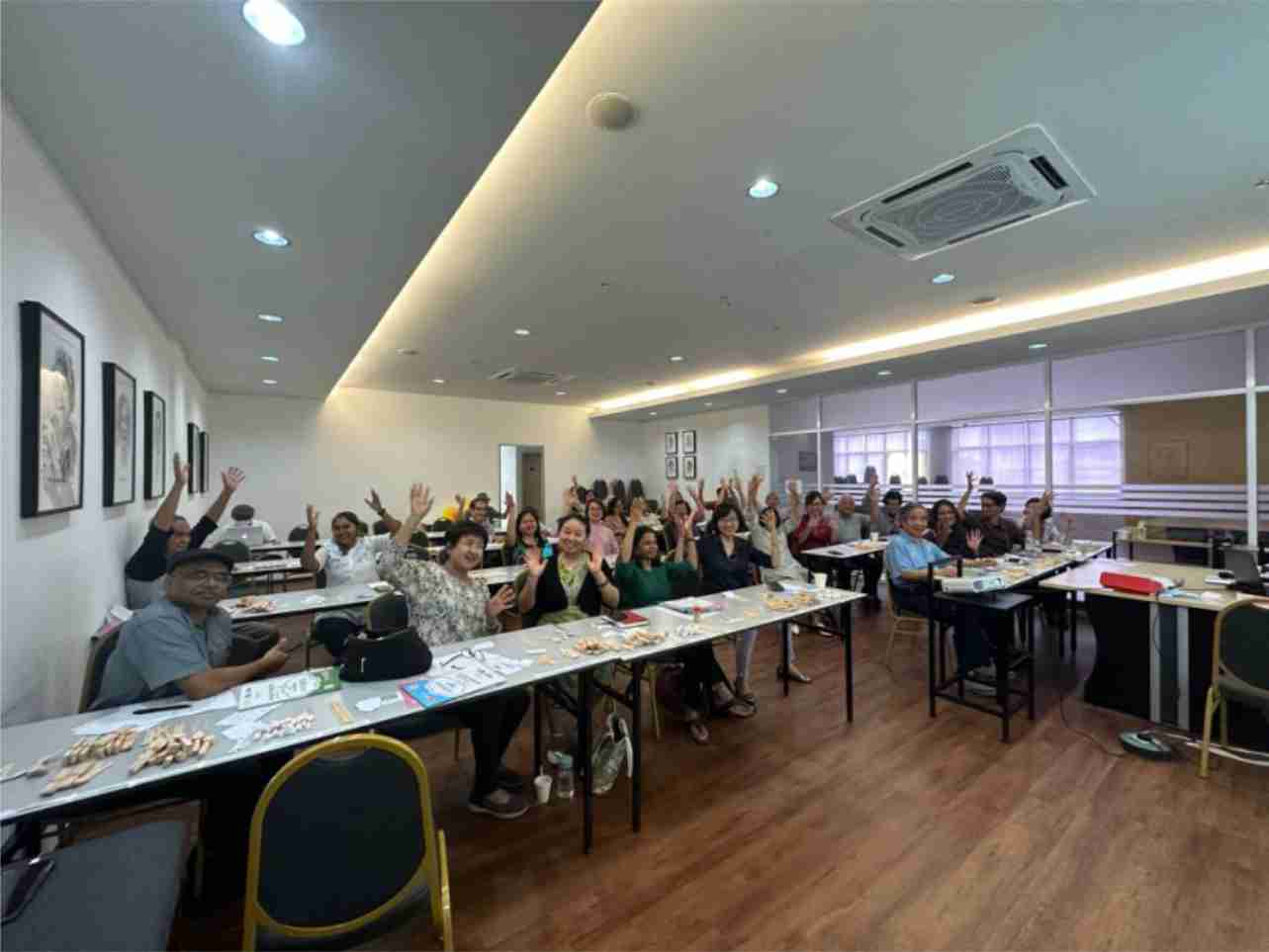
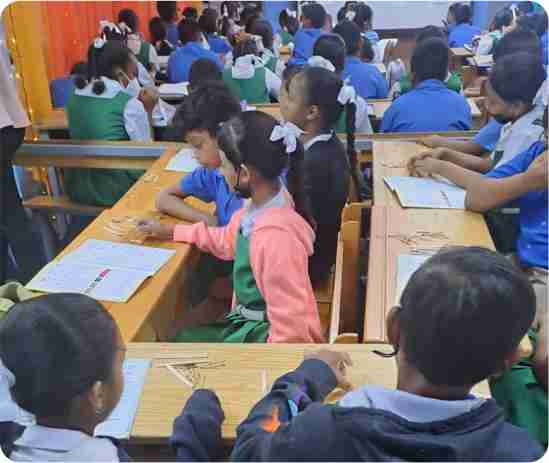
The global learning crisis is a critical challenge, with over 70% of 10-year-olds in low and middle-income countries unable to read or understand a simple text, rising to 89% in sub-Saharan Africa. Foundational learning gaps stall progress toward Sustainable Development Goals, especially Quality Education for All. Literacy and numeracy are essential for academic success, equity, and poverty reduction, highlighting the urgent need for effective approaches like ALfA (Accelerating Learning for All).
The Global Learning Lab 2026, a three-day conference, brings together education leaders, policymakers, NGOs, researchers, and funders to share insights, scale and embed proven solutions to the learning crisis. The event features pre-conference global research and Rapid Results Initiatives (RRIs), that deliver measurable FLN improvements in weeks. This actionable evidence will guide system-wide adoption of innovative FLN strategies to accelerate quality education for all.

Sharing insights on scaling foundational learning at national levels.
Bringing global insights and shaping global educational priorities.

Presenting evidence-based approaches and innovations.

Highlighting grassroots success stories & collaborative strategies.

Commitments to global contributions and partnerships to boost FLN.

All Africa Students UnionKnowledge & training partnership

PATH Youth, KenyaSchool literacy intensives

World Climate School, NorwayKnowledge & Training
Quizizz, InternationalMassive Open Online Trainings partnership
Relying on current practices will merely replicate existing outcomes. We need to embrace research-driven innovations that challenge established methods and pave the way for transformational progress.
Accelerating Learning for All (ALfA) addresses delays in mastering foundational skills that hinder the academic progress of many children. Its innovative peer-to-peer learning processes enable children to achieve literacy and numeracy goals in just 45 working days. This results in greater fluency, an expanded vocabulary, and a better understanding of language and math concepts, setting them on a new trajectory for success.
The Rapid Results Initiative (RRI) combines this new pedagogy, learning materials, and teacher empowerment to address the global education crisis effectively and efficiently.
The RRI involves three stages:
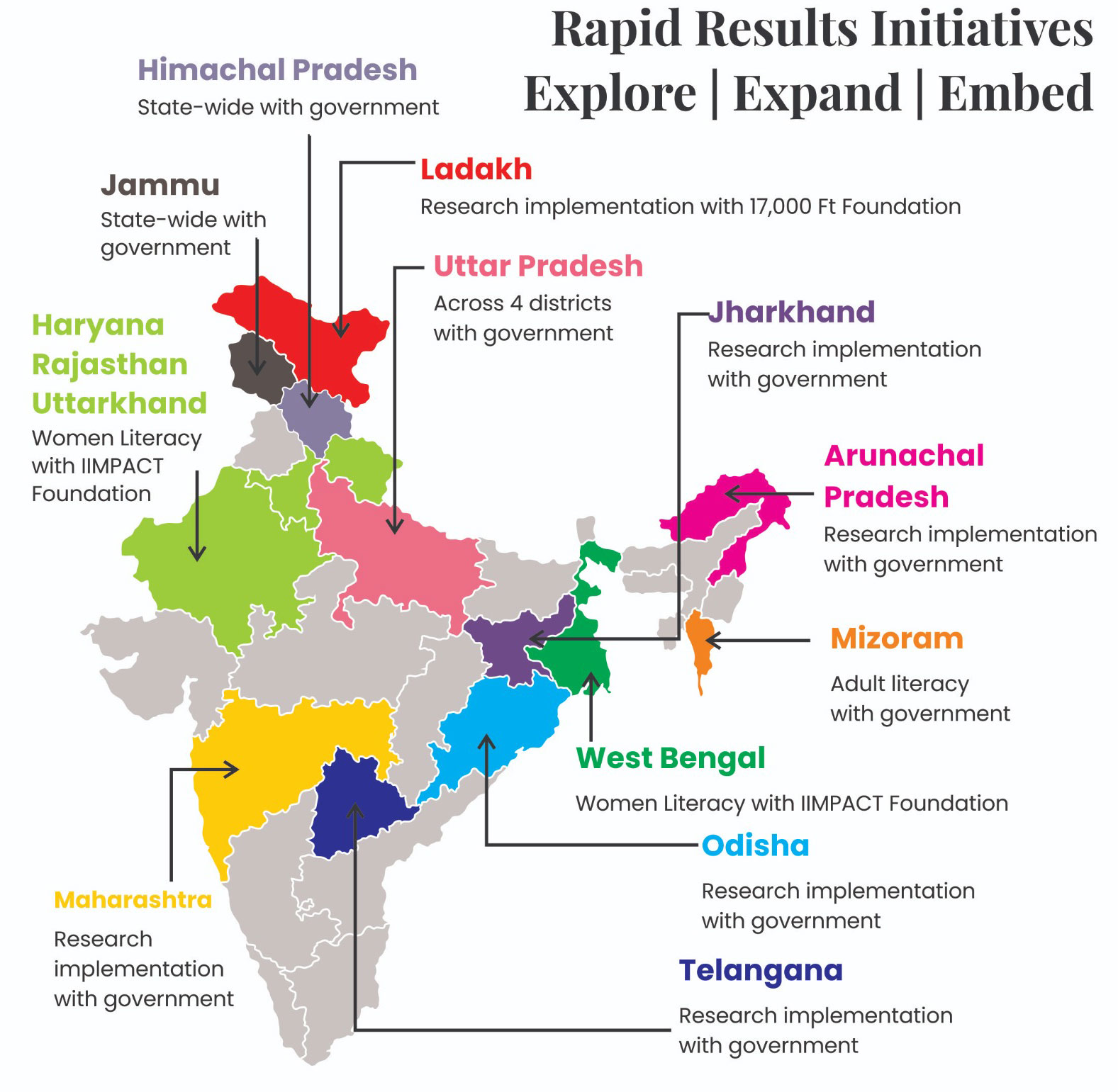
Explore: Rigorous, small-scale research (RCT design) with a few schools implementing ALfA and others in the control group

Expand: Scaling the program to hundreds of schools across a local geography.

Embed: Integrating the ALfA materials, pedagogy and teacher training within the education system.
Through rigorous research and swift results, the RRI empowers policymakers to integrate these methods into existing curricula and teacher training systems.

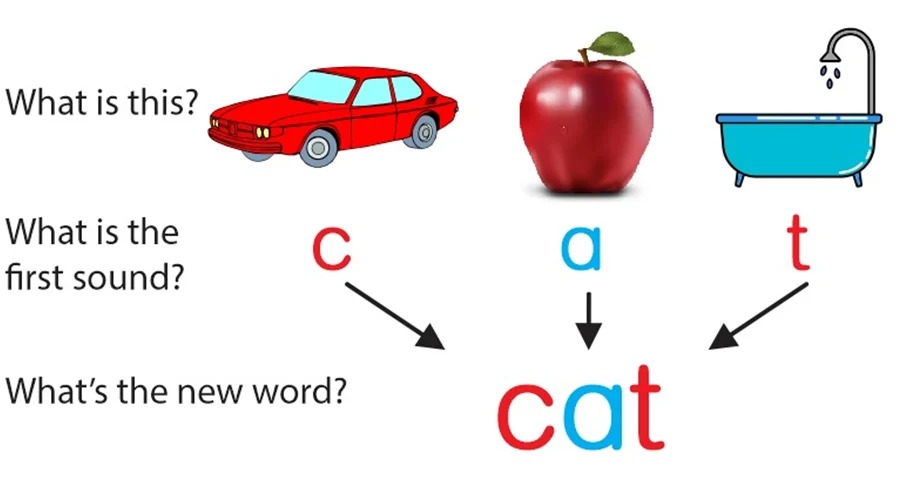
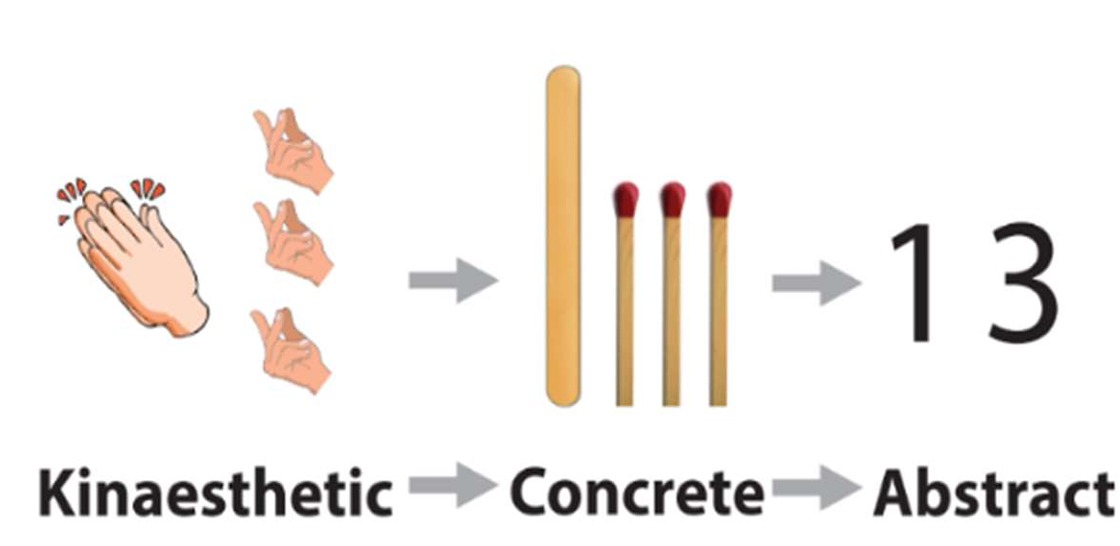

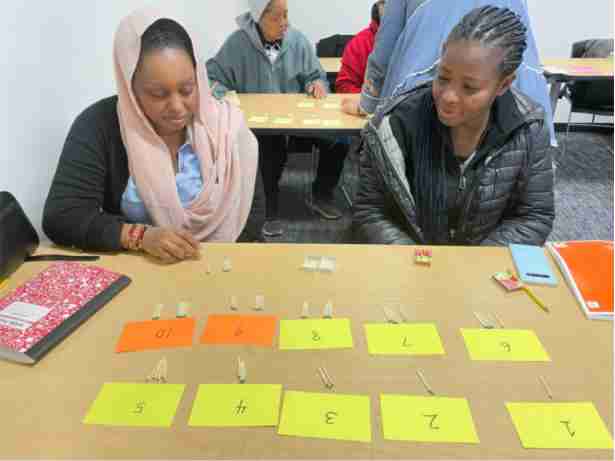
Draws upon children's prior knowledge and hands-on experiences to discover new learning.

Interactive 1:1 paired learning without differentiation helps children learn faster and retain more.

Embeds 21st century skills and traits like collaboration, critical thinking, citizenship, climate-conciousness.

Teachers are galvanizers. They demonstrate how to work in pairs, ask questions, and guide students in paired hands-on activities.
Children ask each other questions and build off their existing knowledge. Learning 'sticks' when it connects with our prior experiences.

In a traditional classroom, the teacher is unable to pay attention to every student. Many students are left behind.
In pairs, even the shiest child becomes an active participant engaged in learning.






Critical ThinkingPairs create new questions for each other, challenging each other to think deeply.

Creativity ALfA allows students to choose their own learning materials, questions, and projects.

Communication The process of paired learning in ALfA inculcates strong communication skills.
Collaboration Paired learning in ALfA builds students' ability and desire to collaborate.
Citizenship Random pairing mixes students from diverse backgrounds, fostering citizenship awareness.
Connectedness ALfA builds students' connectedness with each other, and with the world around them.

Climate Consciousness ALfA is builds environmental ethics through short stories on key issues like climate change.

Character ALfA develops virtues through the practical experience of working together.
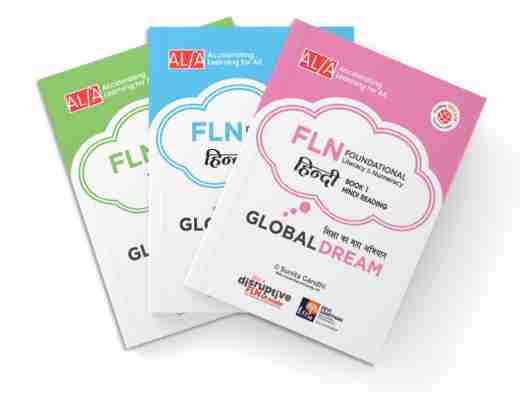
ALfA consists of a well-structured set of learning materials, assessment, apps and training to reach FLN goals swiftly, at scale. We are ready to serve as knowledge partners for schools, governments, and NGOs working for literacy and numeracy.
Low cost, low carbon,
low psychological burden
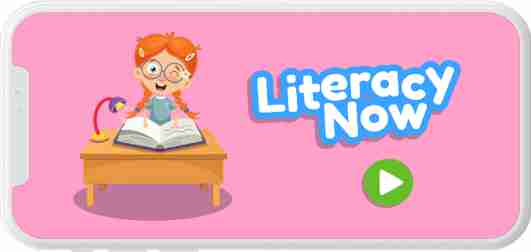
Supplements & provides learning on devices at home & school

Locally available, sustainable,
reusable, hands-on
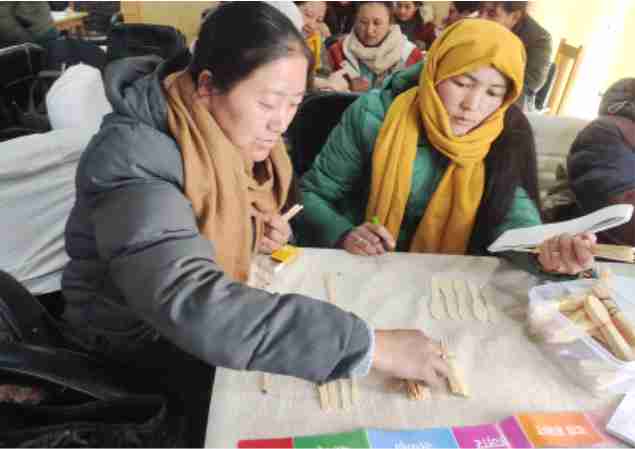
Highly participatory, Online/Offline,
interactive & impactful
Simple, visual instructions
& video repository

Scanning app enables instant analysis and reports
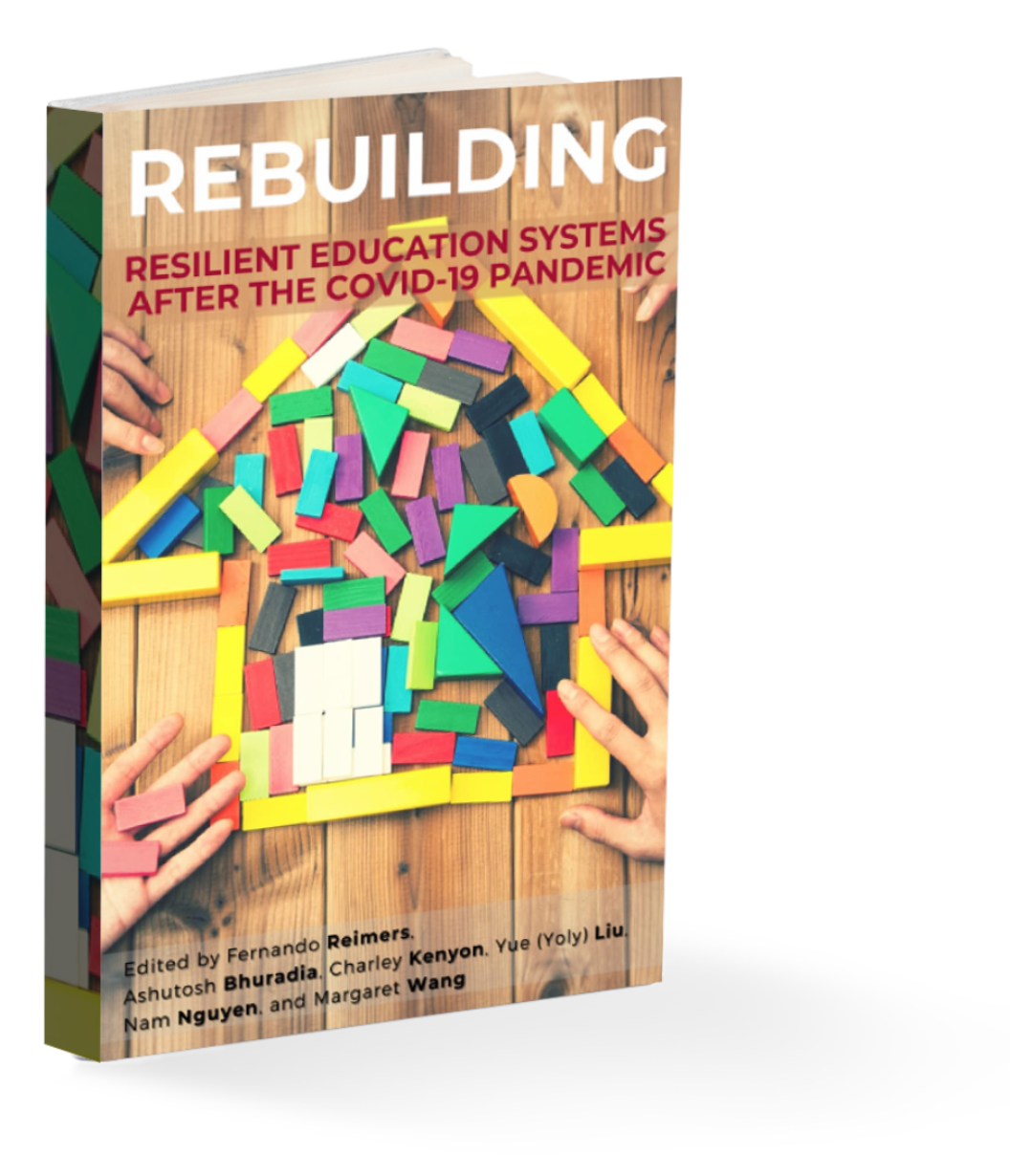
The effect size of the project was 0.23 for Grade 3 students and 0.89 for Grade 5… the results suggest there is significant value in pursuing the ALFA model in other schools if implemented in a coherent, structured, and coordinated manner.
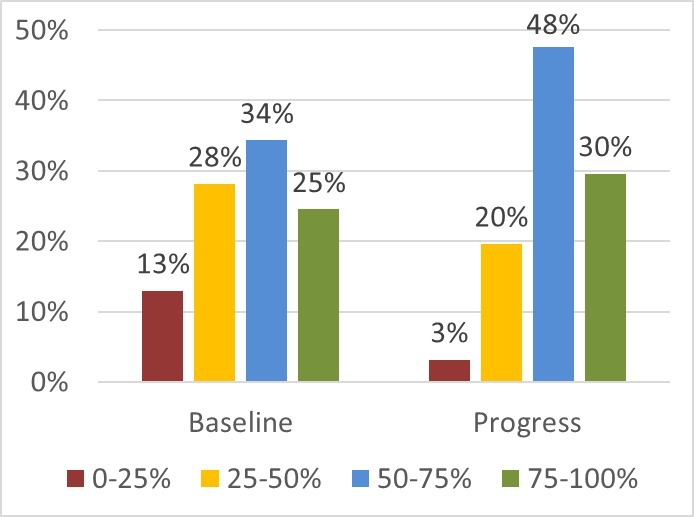
Chapter 8 of the book discusses the RCT of ALfA in Shamli, Uttar Pradesh, India, which led to results as shown on the right after just 40 days of implementation as cited in the book.
These encouraging results led to the program's expansion to 41% of Shamli's schools. Shamli rose from being a Low-Performing District of India to Rank 18 of 75 in Uttar Pradesh in the governments own FLN test.
"One of the challenges facing many teachers is the extreme diversity of learning levels. Teaching at the Right Level (TaRL) solves this problem by grouping students by ability, whereas ALfA transforms the mixed learning levels from a challenge to a strength through paired learning.
While ALfA is newer and still emerging compared to established programs such as TaRL and Structured Pedagogy, its ability to deliver swift learning gains positions it as a promising strategy for achieving universal literacy and numeracy."
- Aïcha Bah Diallo Former Minister of Education, Guinea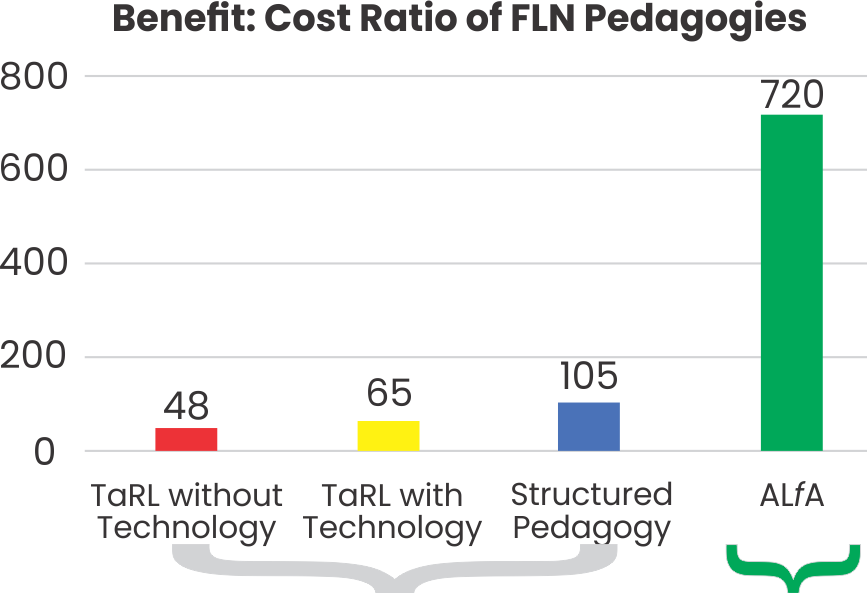
| Feature | Structured Pedagogy | TaRL | ALfA |
|---|---|---|---|
| Core Approach | Standardized lesson plans and scripted teaching. | Grouping students by ability level and targeting instruction accordingly. | A process-led structure that scaffolds learning through paired activities. |
| Holistic & Social Development | Focused primarily on academic content delivery rather than holistic development. | Differentiated learning which can create a fixed mindset about the ability. | Develops 21st-century skills such as collaboration, citizenship, equity & inclusion through random paired learning. |
| Speed & Efficacy | Effect Size: 0.13 (Generally 3-year implementations) | Effect Sizes: 0.08-0.7 (50 days, combination of studies 2005-2014) | Effect Sizes: 0.23-0.89 (India, Maldives: 45 days, 2022-23) |
| Cost | $8 per child Detailed scripting and material requirements. | $20-$27 per child Resources vary by implementation. More significant training required. | $4 per child Includes staff & implementation costs. Leverages local resources. |
ALfA FLN toolkits are available in 33 languages, including Arabic, Chishona, Dari, English, French, Mandarin, Portuguese, Spanish, Swahili, Twi, Yoruba, and many Indian languages covering a vast proportion of the world's population. They can be easily replicated. Partnerships with governments, NGOs, and international organizations can drive large-scale adoptions following the RRIs.

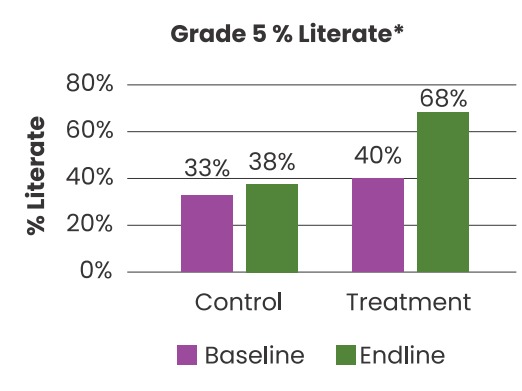
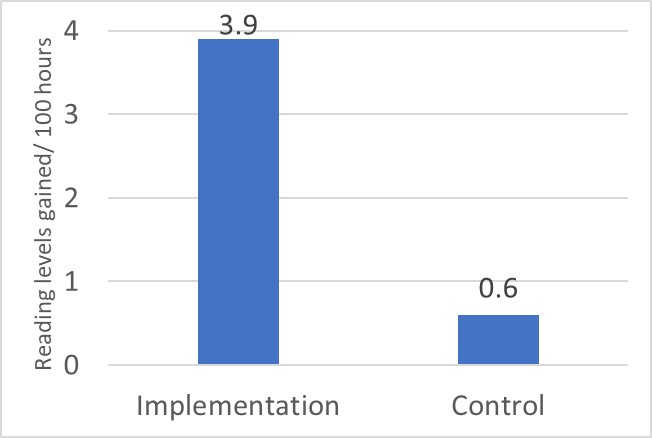
Implementation in 6 schools with 3 as control. 55 days later the proportion of students literate increased 28 percentage points in Grade 5 - over 5 times the rate of increase in control group

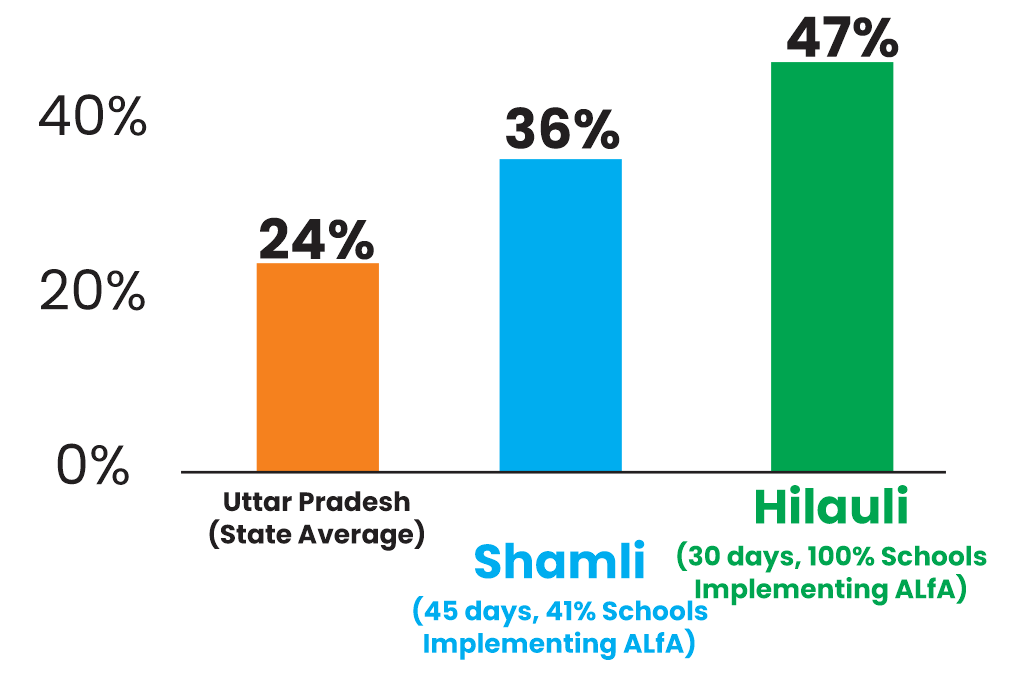
In Uttar Pradesh, India's most populous state, schools and districts implementing ALfA performed 2-3x better on the government's NIPUN Assessment Test, which measures FLN competencies.


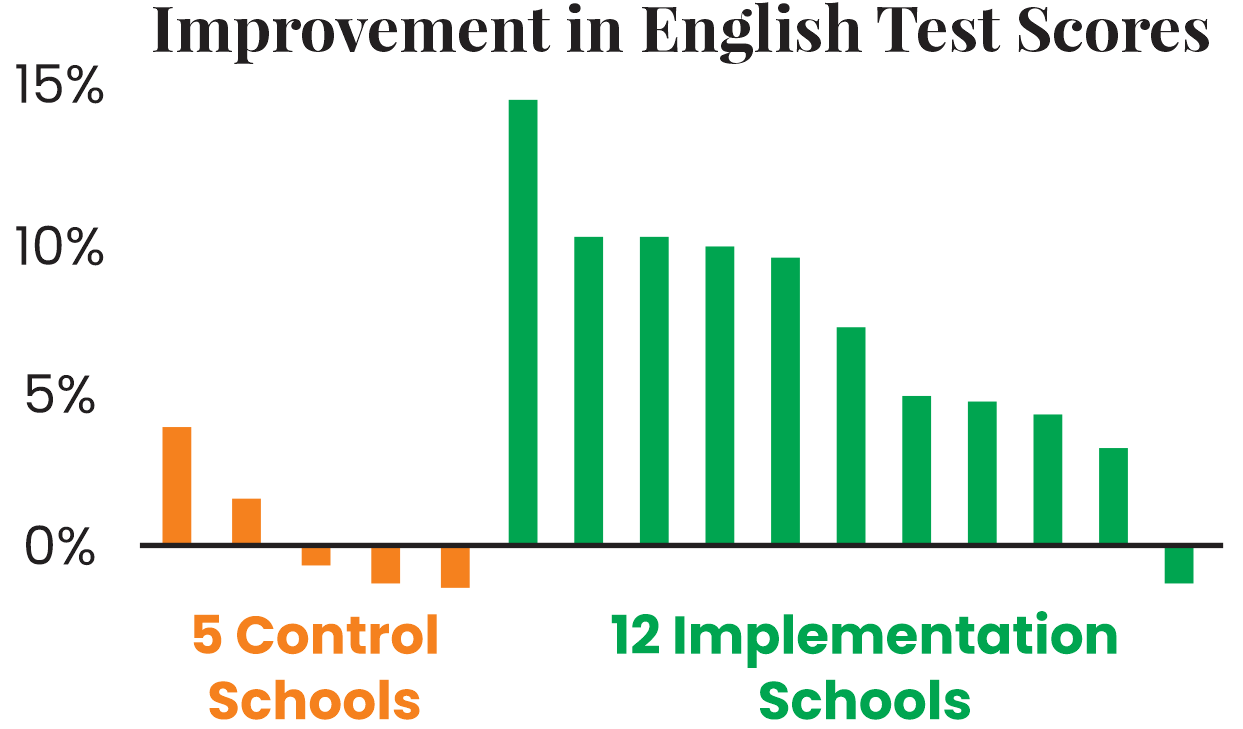
Test scores in ALfA schools improved 7 percentage points in English and 11 percentage points in Maths – nearly double the rate of improvement compared to reference group schools.

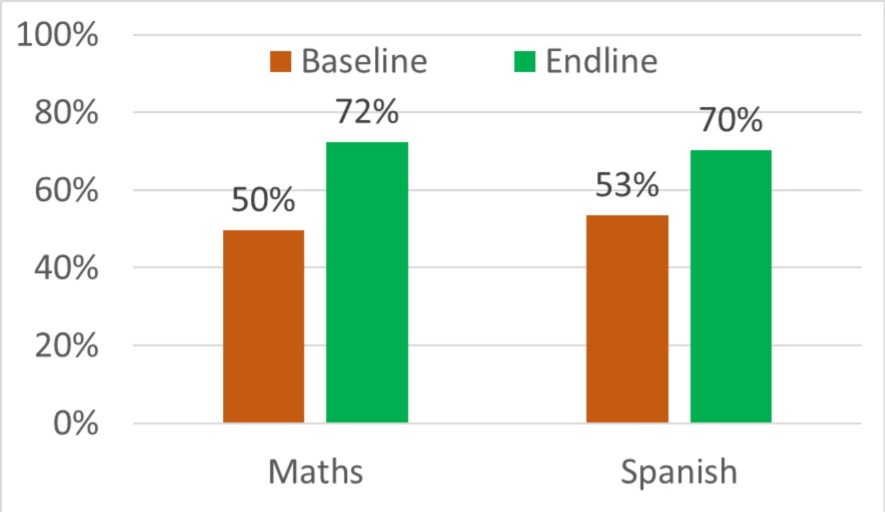
ALfA is being piloted in several schools in the remote Amazon, with impressive results. Discussions are now underway with government for scaling up.

ALfA is helping disadvantaged adults learn to read in a swift and joyful process. Volunteers and learners alike are loving the new approach to literacy.


Himachal Pradesh has signed an agreement for state-wide ALfA implementation. We began in two districts, Solan and Shimla, with impressive results.

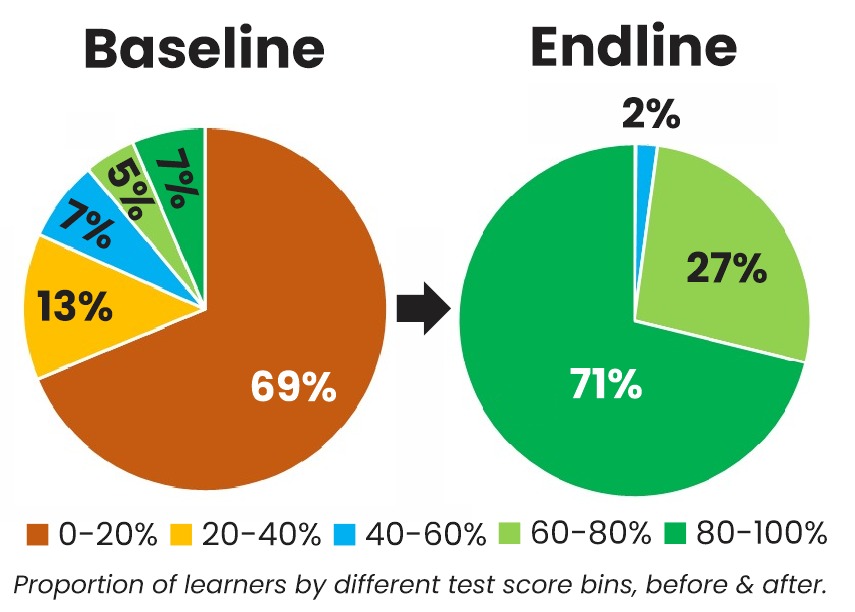
The ALfA materials are being used in a mother literacy program Rajasthan, as well as West Bengal, UP, Uttarkhand and Haryana. Learners test scores more than tripled from baseline to endline.
While ALfA is a new program, having been launched in government school contexts in 2022, it is based on over a decade of active educational research in Lucknow’s slums and private schools. ALfA is now well established, having been implemented in thousands of schools in India, and with pilots across 12 countries. ALfA is discussed at length in two books published by Bloomsbury and two chapters of a book edited by Harvard Graduate School of Education Professor Fernando Reimers.
But perhaps the most important reason to try something new is this: the old systems are not working. 70% of 10-year-olds in low-and-middle-income countries around the world cannot read a simple text with understanding. Something must change!
We understand that many teachers are already overburdened, and have a big workload. However, we firmly believe that ‘completing the curriculum’ is a secondary goal, the primary focus should be on students’ learning outcomes. Experiences in Uttar Pradesh, India’s most populous state, indicate that when students complete the 45-day ALfA program their improved reading skills enable them to work through their textbooks much more swiftly and effectively.
Though ALfA is a new pedagogy, it contains many elements which are well established – from peer learning to hands-on activities. ALfA is like a recipe that brings together these ingredients in a new and unique way, to make a flavourful dish:
None of these aspects is not unique, but they are combined in a unique way in ALfA.
Structured pedagogy is defined as a ‘coherent package of textbooks, lesson plans, and teacher training and coaching that work together to improve in-class teaching’ (Copenhagen Consensus, 2023). Structured pedagogy is an increasingly popular approach, recognized by the World Bank Global Education Evidence Advisory Panel as a ‘Smart Buy’.
ALfA is a coherent package of learning materials, assessments, apps, teacher training & guides – making it, in some regards, a form of structured pedagogy. However, it is different from some structured pedagogies which provide a highly detailed and rigid mapping of what teachers need to do every period of every week of every year. Instead, ALfA’s process-led structure gives significant flexibility and freedom to both teachers and students to work at their own pace and style.
Many classrooms have huge diversity of learning levels: some children may be at or beyond their age-appropriate level, while others lag far behind. This can be a big challenge for teachers, who struggle to decide whether to teach to the top, middle, or bottom of the class.
Teaching at the Right Level (TaRL) is a well-respected FLN program that tackles this problem of multi-level classes by testing students’ learning levels, grouping them, and targeting instruction accordingly.
ALfA presents a different solution to the same problem: working together in random pairs, children help each other learn. This not only proves effective academically, it also helps develop social skills, as children learn to work with a diversity of classmates. Avoiding labels of ‘strong’ or ‘weak’ helps all children develop a growth mindset, striving to excel regardless of their current learning level.
The Annual Status of Education Report consistently finds high rates (15-30%) of student absenteeism in India, and this is a common problem across many LMICs. However, our experience so far of ALfA in Uttar Pradesh has indicated that, when children are having fun in school and learning is visibly rapid, their attendance typically also increases
ALfA can be particularly helpful in challenging contexts such as multi-level classes or areas with a large student: teacher ratio.
ALfA refuses to categorise children as 'weak' or 'strong', but it's true that in any classroom there will be a mix of learning levels. Two students who are struggling with reading will still decipher more together than they would have individually – two heads are better than one. If two children working together both don't understand what they're doing, they can ask another pair for help. With new random pairings every day, children will soon get a chance to work with others. Very soon, though, even the so-called ‘weakest’ students will learn the process and be able to start asking questions. We’ve seen students as young as four-year-olds beautifully ask questions and help each other.
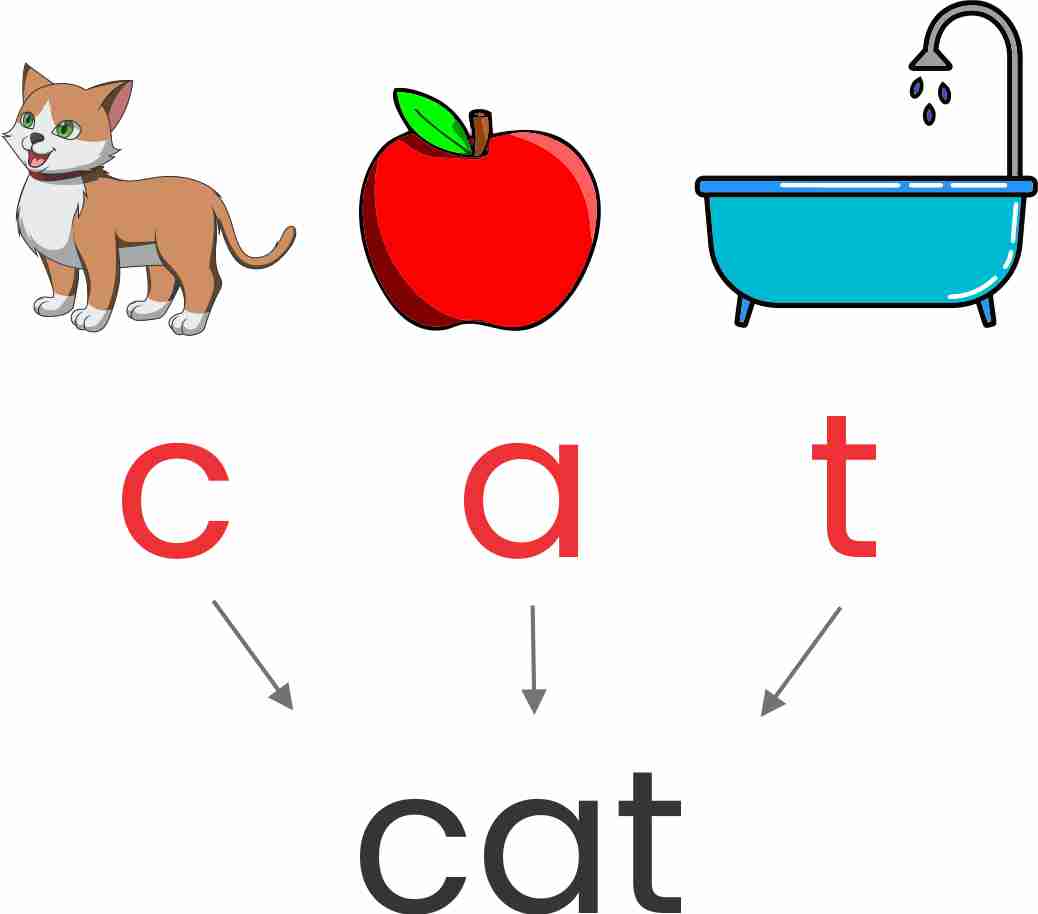
ALfA is currently available in 30 Indian and international languages. We encourage focusing on mother tongue literacy in early years. If ALfA is not available in your local language, we would love to collaborate with you to help develop – reach out to us. When using ALfA in a second language, you may need to help build their vocabulary so they can recognise the pictures, before they are able to learn decoding and blending. For instance, invite the students to make TLMs like picture and letter cards, and play games with them.
Some students already know how to perform various arithmetic operations and get the correct answer. However, they still gain by doing it through hands-on activities, as they gain deeper insight and understanding. Concepts like ‘carrying’ in addition and ‘borrowing’ in subtraction may have earlier been done mechanistically, but now become more meaningful.
Beyond academics, paired learning in ALfA helps students develop their socio-emotional skills, including collaboration, communication, citizenship and character.
Some children have special learning needs (hyper, shy, autistic, dyslexic, etc.) and struggle to focus in a traditional classroom. ALfA helps such children to also become actively involved in the learning process. They are included in the paired learning process, and an active part of the classroom – rather than being segregated into a ‘special’ class. Their presence can help other students develop their collaboration and citizenship skills and attitudes.
ALfA classrooms are often noisy, as children interact with each other in pairs. This clashes with our traditional conception of a 'good class' as one in which students do their individual work silently. As teachers we have to get used to a new normal of accepting 'productive noise'.
Parents, who have themselves been brought up in a traditional education system, will sometimes struggle to understand an ALfA classroom. Common objections include 'there's not enough written work' and 'how will they learn if the teacher doesn't explain'? Initially, you may want to do an ‘open day’ or ‘town hall’ to showcase some ALfA activities and get the teachers more interested. Before long, the learning outcomes of students will speak for themselves.